
Top 10 Most Needed Donations for Local Charities
Local charities rely heavily on community support to help individuals and families experiencing hardship. Understanding what types of items are most useful ensures that donations have a real and lasting impact. When people give thoughtfully, resources go further and more individuals can be assisted through food programs, housing support, and basic need services. The most effective donations are practical, reusable, and aligned with everyday needs in the community.
Many charitable organizations depend on a steady flow of usable goods to support both thrift operations and direct assistance programs. Items that are clean, functional, and in good condition are typically the most helpful. These donations help reduce waste while providing affordable access to essential goods for others. From food and clothing to household items, each contribution plays an important role in supporting local outreach efforts.
1. Non-Perishable Food Items
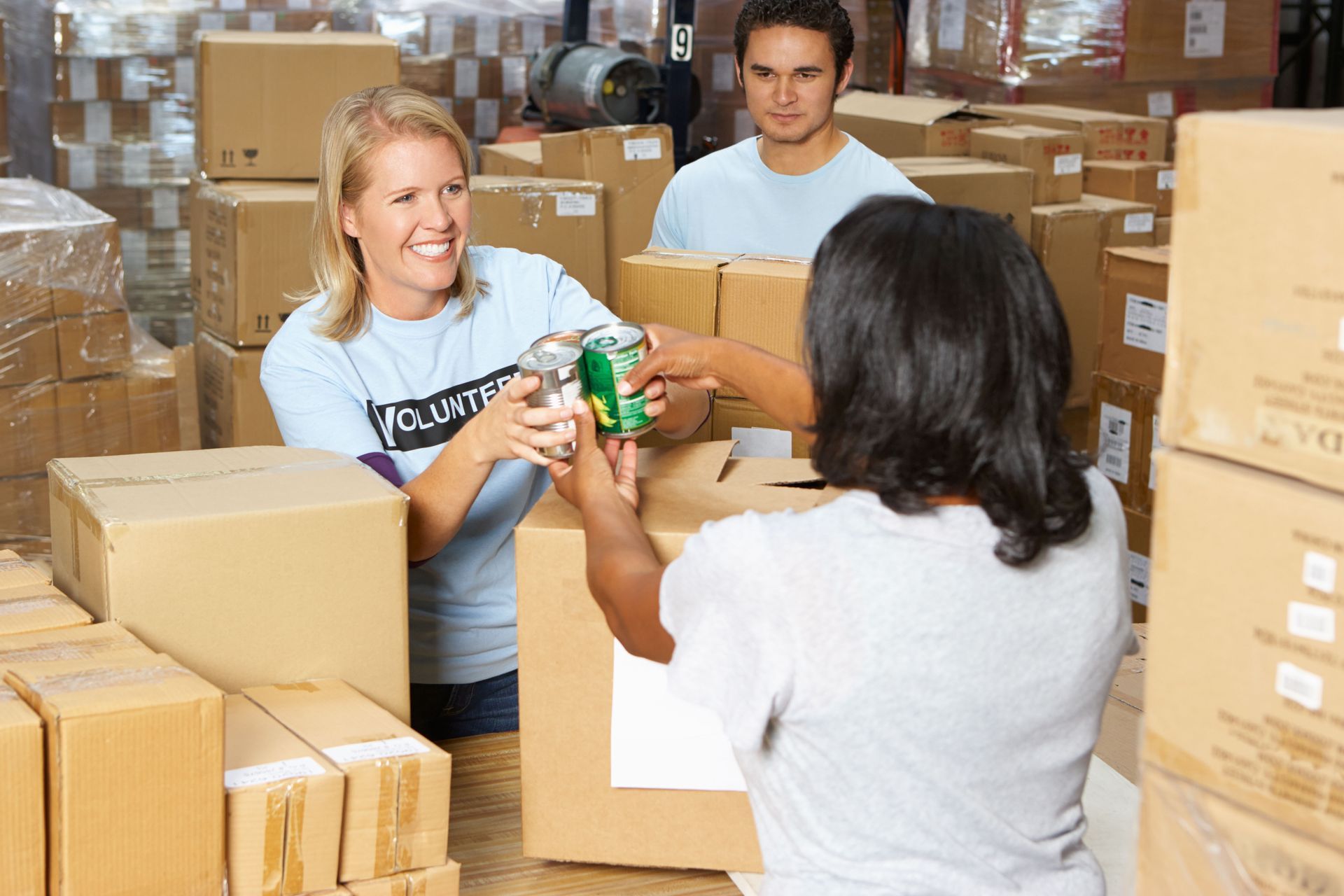
Non-perishable food items are one of the most important categories of donations for community support programs. Canned goods, pasta, rice, cereals, and shelf-stable proteins help provide reliable nutrition for individuals and families in need. These items are easy to store and distribute, making them highly practical for organizations that serve large numbers of people. They also help fill gaps when households are struggling to afford groceries.
Food donations are especially important during times of economic uncertainty when demand for assistance increases. Consistent contributions allow charities to maintain stocked shelves and support ongoing meal programs. These items help ensure that individuals do not go without basic nutrition. Even small food donations can make a meaningful difference in someone’s daily life.
2. Personal Care Products
Personal care products are essential donations that support hygiene, dignity, and overall well-being. Items such as soap, shampoo, deodorant, toothpaste, and feminine hygiene products are consistently needed. These products are often expensive for individuals facing financial challenges, making them highly valuable contributions. Access to hygiene items also supports confidence and social well-being.
These donations are commonly distributed through outreach programs and shelters that assist individuals in transition. Having access to basic hygiene supplies can improve health outcomes and daily comfort. Consistent donations help ensure that these essential items are always available. They are a simple but powerful way to support community care efforts.
3. Clothing and Footwear
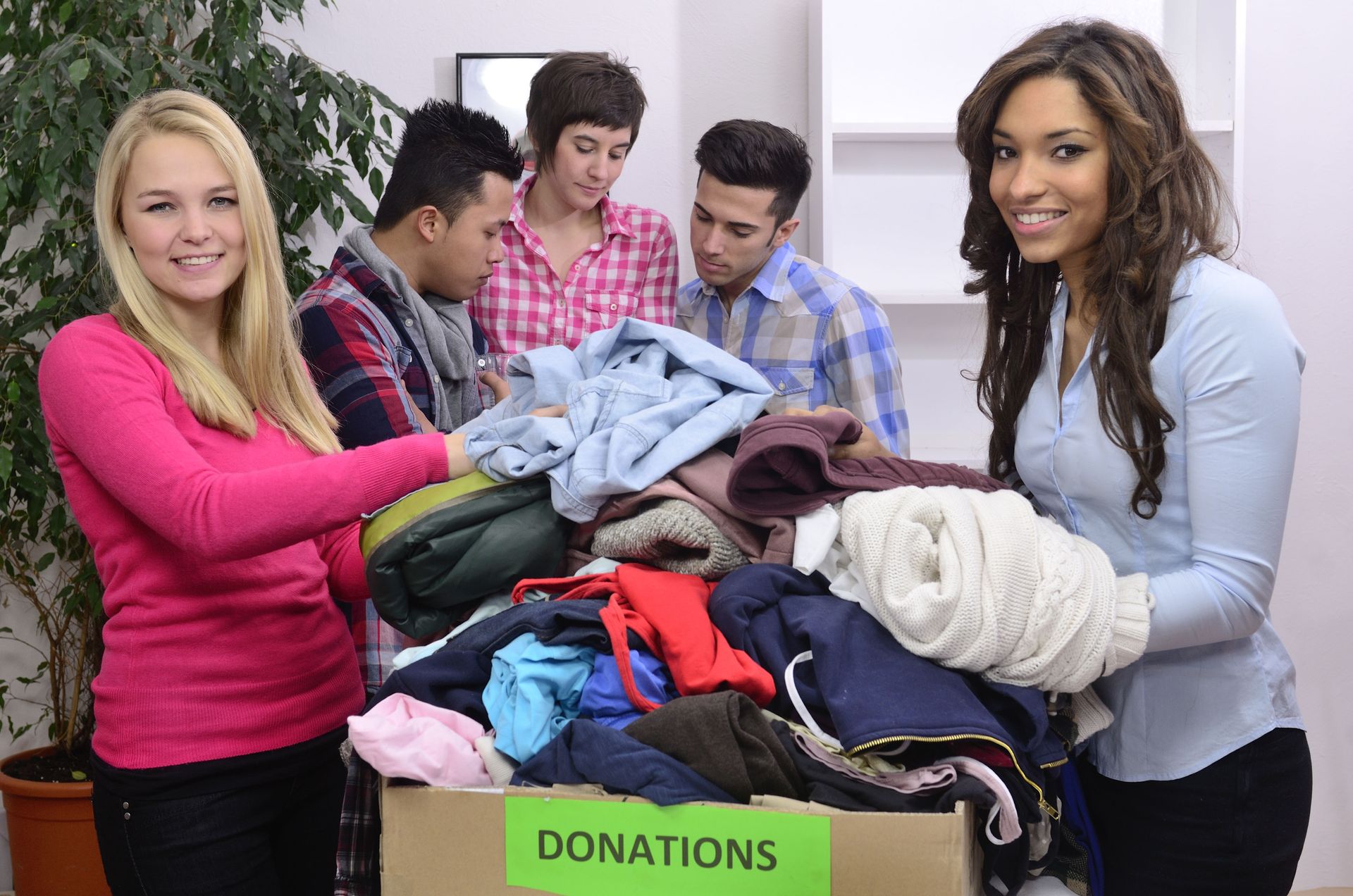
Clothing and footwear are frequently requested donations that provide comfort and protection. Gently used clothing such as shirts, pants, jackets, and shoes can be redistributed or sold in thrift stores to support charitable programs. Seasonal clothing is especially important during extreme weather conditions. Children’s clothing is also in high demand due to rapid growth.
Socks and underwear are often overlooked but remain some of the most needed items. These essentials support hygiene and daily comfort but are not always widely donated. Clean, wearable clothing helps individuals feel more confident and prepared for work, school, and daily activities. Clothing donations support both immediate needs and long-term stability.
4. Household Goods
Household items are valuable donations that help individuals establish stable and functional living spaces. Items such as kitchenware, bedding, linens, and small appliances are often in demand. These goods help families who are moving into new housing or rebuilding after difficult circumstances. Functional household items make everyday living more manageable.
When items are in good condition, they can be reused or resold to support community programs. This allows charities to fund additional services while also meeting material needs. Household donations help create a sense of comfort and stability at home. They are a practical way to support long-term recovery and independence.
5. Baby Supplies
Baby supplies are important donations that support families with infants and young children. Items such as diapers, wipes, baby clothing, and formula are consistently needed. These essentials are expensive and must be purchased frequently, creating financial pressure for parents. Donations in this category help ease that burden significantly.
Additional items like bottles, blankets, and baby care products can also be extremely helpful. These donations ensure that infants receive proper care and comfort during early development. Consistent support helps families focus on stability and well-being. Baby supplies remain one of the most impactful types of community donations.
6. Educational Materials
Educational materials such as books, school supplies, backpacks, and writing tools help support learning and development. These items are essential for students who may not have access to new supplies at home. Providing basic educational resources helps improve school readiness and academic performance. Access to learning materials supports long-term opportunity.
Creative supplies like art materials and educational games can also encourage skill development. Donations in this category help reduce barriers to education and promote equal access to learning tools. They support both children and adults participating in educational programs. Educational donations help build stronger futures for the community.
7. Furniture Donations
Furniture donations play an important role in helping individuals establish stable homes. Items such as beds, tables, chairs, and dressers are commonly needed. These larger items are especially helpful for families transitioning into new housing situations. Functional furniture helps turn empty spaces into livable environments.
Gently used furniture can often be resold to support charitable programs or directly distributed to those in need. These donations provide both practical and financial benefits to community services. They help individuals rebuild their lives with dignity and comfort. Furniture contributions have a lasting impact on household stability.
8. Monetary Support and Volunteer Time
Financial donations and volunteer time are essential forms of support for charitable organizations. Monetary contributions allow programs to respond quickly to urgent needs and maintain essential services. Volunteers help sort, organize, and distribute donated items, ensuring efficient operations. Both forms of support are critical to daily functioning.
According to the NP Trust, the 63% of donors prefer to give online with either a credit or debit card. Financial and volunteer contributions help expand outreach and improve service delivery. These forms of giving are highly flexible and impactful.
9. Seasonal and Emergency Supplies
Seasonal items such as blankets, coats, fans, and weather-appropriate clothing help individuals adapt to changing conditions. Emergency supplies like flashlights, batteries, and first aid kits are also valuable during unexpected situations. These items support safety and comfort throughout the year. They are especially important during extreme weather events.
Having access to seasonal and emergency supplies helps vulnerable individuals stay protected during difficult times. These donations improve preparedness and reduce risk in crises. They are often distributed quickly when urgent needs arise. Seasonal support items play a key role in community resilience.
10. Gift Cards and Flexible Support
Gift cards are flexible donations that allow individuals to purchase items based on their specific needs. This ensures that support remains practical and personalized. Gift cards are especially helpful when urgent or unexpected needs arise. They give recipients greater control over how assistance is used.
Flexible donations complement physical goods by filling gaps in available resources. They help charities respond quickly to changing needs within the community. This type of support is adaptable and highly effective. It ensures assistance remains relevant and timely.
Supporting local charities through thoughtful donations helps strengthen communities and improve the quality of life for individuals facing hardship. Every contribution, whether goods, time, or financial support, plays a role in sustaining essential services. When donations match real needs, they create a stronger and more effective support system. Consistent giving ensures long-term impact and community stability. For more information, contact St. Vincent de Paul Thrift Store.

Share On: